If you’re running a warehouse, production line or distribution centre, choosing the right forklift can make or break your productivity. There are many kinds of forklifts, but each is built for a specific environment and job type, from lifting heavy pallets to stacking in narrow aisles.
At Greenpower Forklifts, we specialise in lithium-ion electric forklifts designed to deliver clean, efficient and low-maintenance power across all major forklift categories. Below, we’ll explore 7 different types of forklifts and what makes each one unique.
1. Counterbalance Forklifts
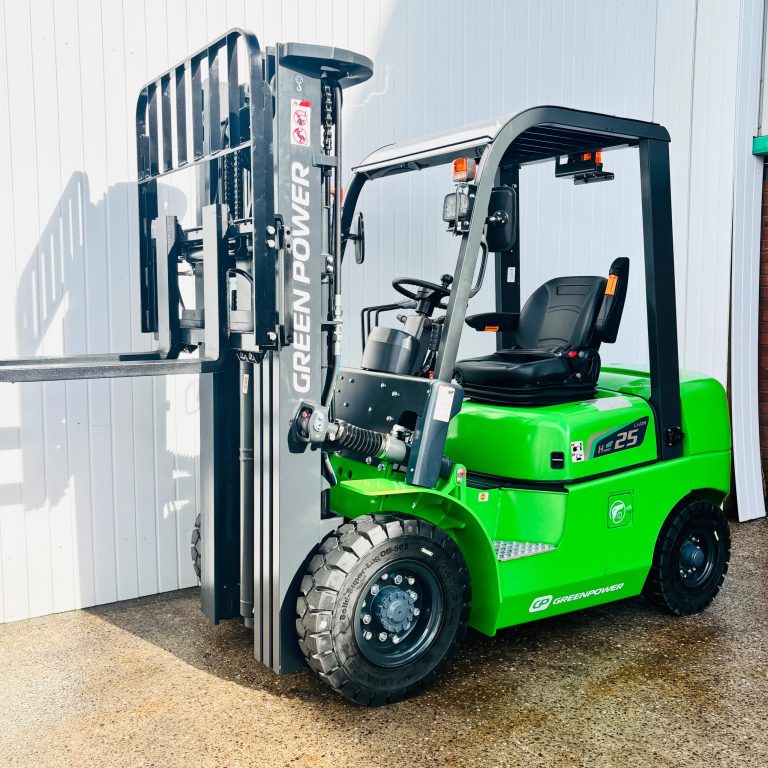
First, we have the most common kind of forklift, a counterbalance. Counterbalance forklifts are the most recognisable type. It has a rear counterweight that balances the load lifted at the front, allowing stable lifting without additional support legs.

What are they best for? Versatile, all-purpose material handling indoors and outdoors.
Where Counterbalance Forklifts Excel:
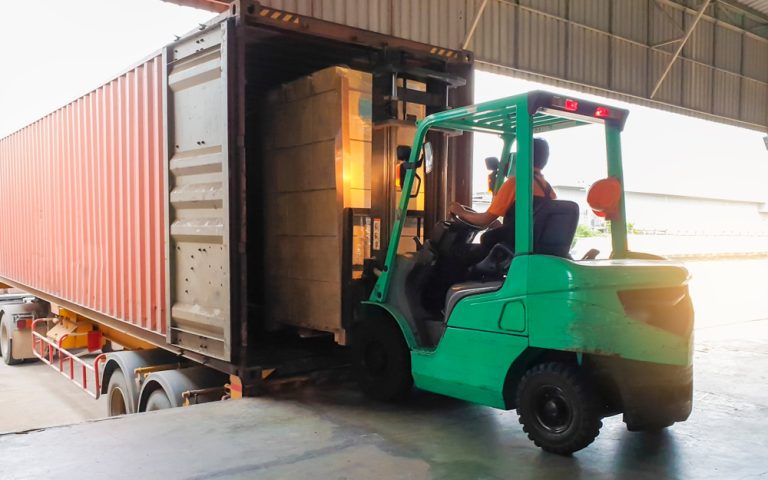
- Loading and unloading trucks
- Dockside operations
- Moving pallets in open warehouse areas
- Handling multiple pallet types
Pros of Counterbalance Forklifts
- Excellent stability for heavy loads
- Simple and intuitive to operate
- Great all-round performance indoors or outdoors
Cons of Counterbalance Forklifts:
- Requires more turning space than articulated or reach trucks
- Less efficient for very narrow aisle operations
Advantage of an Electric Counterbalance:
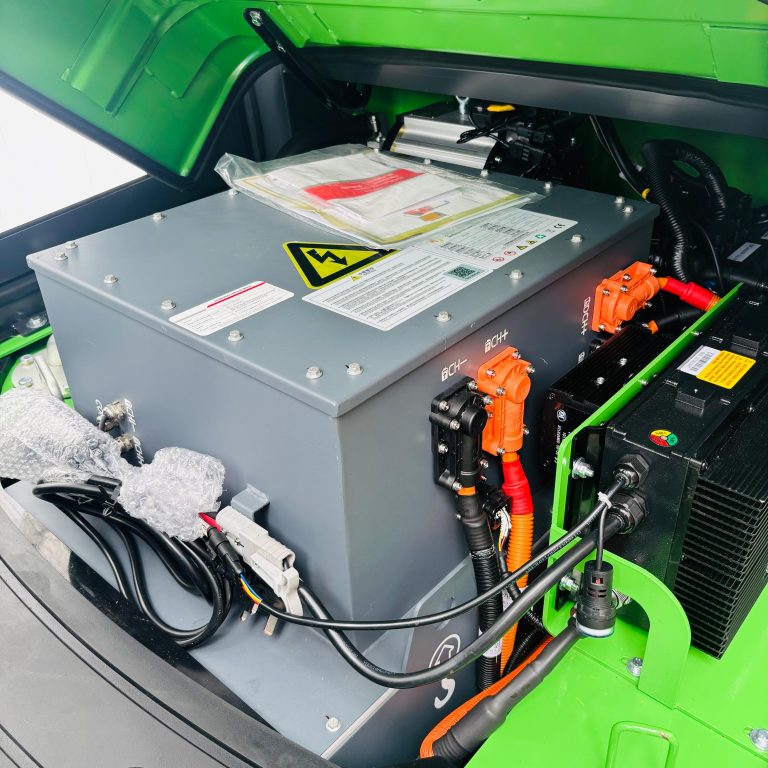
Greenpower’s lithium-ion counterbalance forklifts offer fast charging, zero on-site emissions and drastically lower running costs compared to diesel or LPG models.
2. Articulated Forklifts
Next up we have articulated forklifts. This type of forklift has a pivoting mast and chassis that allow the operator to turn the forks into racking without moving the entire truck.

What are articulated forklifts best for? Very narrow aisles (VNA) and high-density racking.
Key Benefits of Articulated Forklifts:
- Reduces aisle width by up to 30%
- Combines reach and counterbalance features
- Perfect for space-constrained warehouses
Ideal applications for an Articulated Model:
- VNA (Very Narrow Aisle) storage
- Warehouses needing indoor/outdoor flexibility
Pros of Articulated Forklifts:
- Handles both pallet storage and yard loading
- Boosts storage capacity through tighter layouts
Cons of Articulated Forklifts:
- Higher cost than standard counterbalance models
- Slightly slower travel speed due to articulation joints
3. Multi-Directional Forklifts
The next type of forklift we’re going to discuss are multi-directional forklifts. These models are engineered to travel forward, backward and sideways, making them perfect for narrow aisles handling long loads.

What are Multi-Directional Forklifts Best For? Long or bulky loads such as steel beams, timber and pipes.
Why Multi-Directional Forklifts are Popular:
- Simplify long-load handling without wide aisles
- Excellent for mixed indoor/outdoor sites
- Reduce product damage and double handling
Pros of Multi-Directional Forklifts:
- Exceptional manoeuvrability for long goods
- Improves storage density in specialist racking
- Lower risk of collisions with aisle edges
Cons of Multi-Directional Forklifts:
- More expensive initial investment
- Operator training needed for multi-directional controls
4. Reach Trucks
Reach trucks use an extendable mast that allows forks to reach deep into racking systems while the truck stays still. This model is ideal for maximising vertical storage.

What are Reach Trucks Best For? Best for: high-rack warehouses and vertical stacking.
When Should you use Reach Trucks?
- Aisles are narrow
- Lift heights are up to 12 metres
- You’re dealing with high-density pallet systems
Pros of Reach Trucks:
- High precision lifting
- Compact footprint for narrow aisles
- Excellent visibility and control
Cons of Reach Trucks:
- Limited ground clearance (mainly indoor use)
- Unsuitable for rough terrain
For hybrid warehouses, pairs reach trucks with counterbalance units for dockside loading and vertical stacking efficiency.
5. Order Pickers
The next type is order pickers. An order picker is designed to lift the actual operator to various rack levels. This enables fast, ergonomic order fulfilment which is perfect for eCommerce businesses and retail distribution.

What are order pickers best for? Individual item or carton picking.
Key Benefits of Order Pickers:
- Improves picking accuracy
- Reduces worker strain and downtime
- Handles multiple order levels efficiently
Pros of Order Pickers:
- Boosts order fulfilment speed
- Compact and easy to navigate in narrow aisles
Cons of Order Pickers:
- Lower lifting capacity (not for heavy pallets)
- Requires flat, smooth flooring
At Greenpower Forklifts, our electric order pickers feature ergonomic controls, safety sensors and lithium-ion power for all-day shifts without emissions.
6. 3-Wheel Electric Forklifts
These forklifts feature a single rear steering wheel, giving them an incredibly tight turning radius. Best for: tight spaces and light-to-medium loads.

What are 3-Wheel Forklifts Ideal For:
- Small warehouses
- Retail stockrooms
- Environments where agility matters
Pros of 3-Wheel Forklifts:
- Tight turning and easy manoeuvring
- Lower energy consumption
- Great for confined areas
Cons of 3-Wheel Forklifts:
- Less stable with heavy or high-centre loads
- Mainly suited for indoor use
Electric Benefit: Greenpower’s 3-wheel electric forklifts deliver smooth acceleration, quiet operation and low maintenance thanks to advanced lithium-ion batteries.
7. Pallet Trucks
Pallet trucks dramatically reduce manual effort in moving heavy pallets.

What are pallet trucks best for? Quick, efficient horizontal transport of pallets.
Popular Pallet Truck Models From Greenpower:
- EPL185 – compact, ideal for retail and light warehouse use with a load capacity of 1800kg.
- ME20–ME100 – these are heavy-duty models with load capacities ranging from 2000-10,000kg.
Pros of Pallet Trucks:
- Boosts productivity on repetitive pallet moves
- Reduces operator fatigue and injury risk
- Compact, easy to maintain
Cons of Pallet Trucks:
- Not suited for stacking
- Shorter range than ride-on forklifts
Lithium-ion Edge: Quick charging, maintenance-free and perfect for multi-shift operations.
Comparing the 7 Different Types of Forklifts
| Forklift Type | Key Strength | Typical Environment | Max Lift Height | Load Range |
| Counterbalance | All-purpose versatility | Indoor & outdoor | 3–6m | Up to 3.5 tonnes |
| Articulated | Narrow aisles | Warehouse & racking | 4–10m | Up to 2.5 tonnes |
| Multi-Directional | Long loads | Timber/steel yards | 6-8m | Up to 4 tonnes |
| Reach Truck | High racking | Indoor warehouses | 6–12m | Up to 2 tonnes |
| Order Picker | Item-level picking | eCommerce/retail | 2–10m | 0.5–1 tonne |
| 3-Wheel Electric | Tight spaces | Small warehouses | 3–5m | Up to 2 tonnes |
| Pallet Truck | Ground-level transport | All sites | <1m | 1.2–10 tonnes |
Are Electric Forklifts the Future?
Switching from diesel or LPG to lithium-ion electric forklifts isn’t just about sustainability, it’s about smarter operations.
Electric forklift advantages:
- Lower lifetime running costs
- Zero local emissions
- Quieter operation
- Fast charging (opportunity charging ready)
- Virtually maintenance-free batteries
Lithium-ion vs Lead-acid:
- Charges 3-4x faster
- No battery swaps required
- Longer life cycle (up to 3,000+ cycles)
- No off-gassing or acid maintenance
Greenpower Forklifts focuses entirely on modern electric technology, giving businesses reliable, cost-efficient and future-proof solutions.
FAQs About Different Forklift Types
What are the main types of forklifts?
There are seven main types of forklifts; counterbalance, articulated, multi-directional, reach, order picker, 3-wheel, and pallet trucks.
Which type of forklift is best for narrow aisles?
Articulated forklifts and reach trucks are best suited for narrow aisles due to their compact design and turning radius.
Are electric forklifts powerful enough for outdoor use?
Yes, many electric forklift models, especially Greenpower’s IP54-rated units, are suitable for both indoor and outdoor conditions.
What’s the most versatile forklift type?
The counterbalance forklift remains the most versatile and widely used across industries.
Do electric forklifts require special charging setups?
When owning an electric forklift, you’ll need compatible chargers and safe charging zones, but lithium-ion systems are plug-and-play and support opportunity charging.
Can I replace my diesel fleet with electric forklifts?
Yes, electric forklifts now match or exceed diesel power output, with far lower operating costs. Many are replacing their diesel fleet with electric for the short and long term benefits.
Lithium-ion Electric Forklifts at Greenpower
The different types of forklifts available today cater to every material-handling challenge you can think of. But understanding which one matches your workflow is key.
If you need the all-round versatility of a counterbalance forklift, the aisle efficiency of an articulated or reach truck or the compact power of a 3-wheel electric or pallet truck, Greenpower Forklifts has an electric model built to perform.
Explore our full range of electric forklifts at https://greenpowerforklifts.com/ and discover a smarter, cleaner and more cost-effective way to handle your materials.
Ready to upgrade your fleet? Contact us today to find the perfect electric forklift for your business needs.